Introduction
Indoor air quality shapes comfort, sleep, and day-to-day health. Carpets affect that air more than many households expect. Fibres catch dust, pollen, pet dander, soil, and tiny particles carried in on shoes. Over time, those materials build up and move back into the room with every step. Regular carpet care helps limit that cycle, which can support cleaner air and a fresher home environment for families, guests, and pets.
Dust Does Not Stay Put
In busy homes, carpet fibres act like a filter, trapping fine debris before it settles elsewhere. Yet trapped matter does not stay buried forever. Foot traffic, pets, and vacuum movement can send particles back into the air. Booking a Carpet Cleaning Service in Helensvale helps reduce that hidden build-up and supports fresher rooms where people breathe, rest, and spend long hours each day.
Carpets Hold More Than Dirt
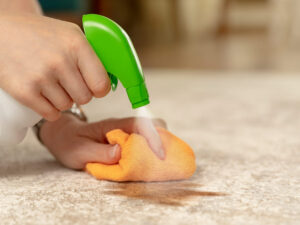
A carpet often collects material that cannot be seen during a quick glance. Dust mites, pollen, skin flakes, food crumbs, and outdoor grime can sit deep in the pile. Standard vacuuming helps, though it may miss what settles lower down. Regular deep cleaning targets what basic upkeep leaves behind, which lowers the amount of loose matter circulating indoors.
Allergens Can Keep Moving
Many allergy triggers are light enough to rise again after someone walks across the floor. That repeated movement can irritate noses, throats, and eyes. Children playing close to the surface may face even greater exposure. Scheduled cleaning removes part of that allergen load before it spreads again, helping rooms feel less stuffy and easier to tolerate during allergy season.
Moisture Creates Extra Risk
Carpets can also trap moisture from spills, wet shoes, or humid weather. Damp fibres may encourage mould growth, mildew odours, and bacterial activity. Those issues can affect both air freshness and household comfort. Quick drying and periodic professional treatment help reduce that risk. A cleaner, drier carpet usually supports a healthier indoor setting with fewer musty smells.
Vacuuming Has Clear Limits
Routine vacuuming remains useful, though it has limits. Surface debris comes away fairly well, while heavier particles can stay lodged near the backing. Some machines also release fine dust during use, especially if filters are old. Deep extraction methods reach further into the pile and remove residue that regular maintenance may leave behind after weeks of daily traffic.
Pet Homes Need Extra Attention
Pets add warmth to a home, though they also add hair, dander, tracked soil, and the occasional accident. Those materials settle into carpet quickly and can affect air freshness. Odours may linger even after visible marks disappear. More frequent cleaning helps control those issues, especially in rooms where pets sleep, play, or spend most of the day.
Cleaner Floors Support Better Sleep
Air quality affects more than sneezing. It can shape how a room smells, how fresh bedding feels, and how comfortable sleep becomes overnight. When carpet holds stale residue, bedrooms may feel heavier or less pleasant. Removing trapped debris and odour sources can help create a lighter indoor atmosphere, which many households notice during evenings and early mornings.
Timing Matters More Than People Think
Waiting until a carpet looks dirty is rarely the best plan. Much of the material affecting air quality sits below the surface long before stains appear. A steady cleaning schedule works better than occasional emergency treatment. Homes with children, pets, or heavy foot traffic may need attention more often, while quieter spaces can usually follow a longer cycle.
Methods That Help Most
Deep Extraction
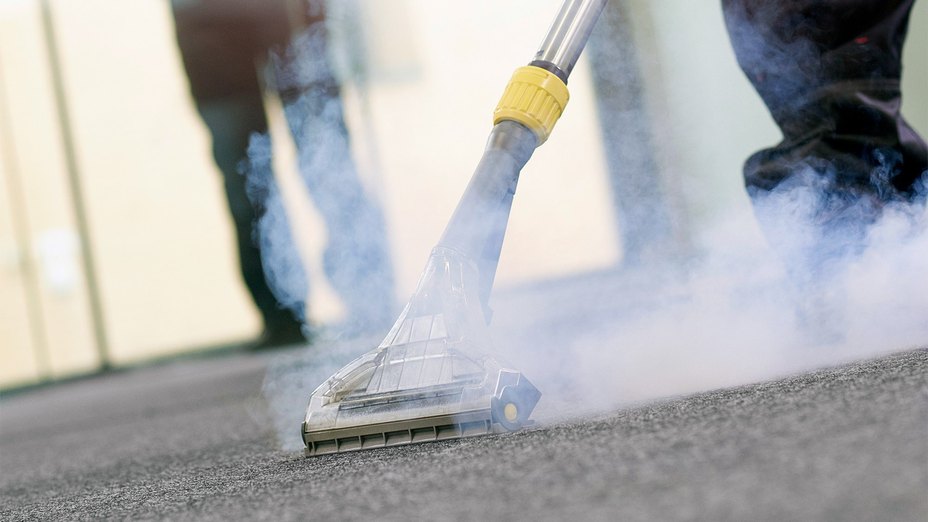
Hot water extraction is widely used because it loosens soil, lifts residues, and removes moisture with strong suction. That process can reduce both dirt and odour sources.
Low-Residue Treatment
A good cleaning approach also avoids leaving excess product behind. Residue can attract new grime, which shortens the fresh feel after treatment.
Conclusion
Regular carpet cleaning does more than improve appearance. It helps reduce dust, allergens, odours, and moisture-related problems that can lower indoor air quality over time. Cleaner fibres release fewer irritants back into the room, which supports a fresher and more comfortable home. With steady care and timely deep treatment, carpets can remain a useful part of a healthier indoor environment rather than a hidden source of airborne debris.